Amputation:
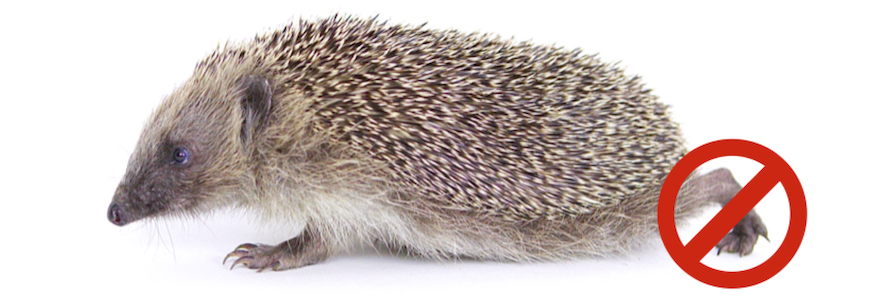
We would never release back into the wild a hedgehog that has had a limb amputated.
Hedgehogs are stoic creatures and often cope well with operations and the stress of being in a rescue. They can recover from invasive surgery and their true grit means they solider on. Our view is ‘just because we can doesn’t always mean we should?’ We are always mindful that hedgehogs are wild animals and our role is to get them fully fit and back into the wild to thrive. The long term success of our soft release programs are paramount to us. We believe that releasing into the wild a three legged hedgehog is inhumane and cruel.
It’s harsh out there in the wild and quick un-painful deaths are uncommon for our Britains wildlife. An injured creature will often slowly starve and then be eaten alive.
We do not release back into the wild a hedgehog that has had a limb amputated. In our view a front leg amputation could prevent a hedgehog from digging for food and the ability to create access under fences and gates on its foraging route. it can no longer climb out of water hazards and other spaces that it may fall into. We see the parasitic burden and disease pronounced on hedgehogs with limbs missing, By using walled gardens for disabled hedgehogs we have seen that they do not survive for long without disease and that constant monitoring is essential .
The removal of a back leg prevents a hedgehog from scratching on one side. Hedgehogs love a scratch and need to be able to scratch to clean, groom and remove parasites. So much of their body is covered by inaccessible spines it’s essential they can reach all other areas. Their low slung body and resting sites means that they are in close contact with insects and it is essential they can remove them from their body by scratching. We also believe this is part of another ritual that is essential to them.